HIMWATS — Himalaya Water Service Tatha Vikas Avam Paryavaran Sanrakshan Samiti — is a registered non-governmental organisation, registration number 758/1997-98, established in 1997. It has worked for over twenty-five years in the remote and underserved parts of Uttarakhand.
The society works on quality education, environmental awareness, social empowerment and public health. Its core purpose is to reach the households the state reaches last — especially children from economically weaker backgrounds — and it defines education broadly: formal, non-formal, remedial, alternative and vocational.
The problem we work on
Champawat and the districts around it face four connected difficulties, and the programmes below exist because of them.
Education
Little access to decent school infrastructure, weak scientific grounding, inadequate teacher training, no access to digital learning, and widespread unawareness of the schemes that already exist.
Unemployment
Disguised employment in the farming sector, and almost no skill-based training that would generate work.
Healthcare
Poor healthcare infrastructure, severely understaffed hospitals, and little general awareness of health and wellness.
Environmental degradation
Deteriorating natural water reserves, and deforestation across a district that depends on both.
What we run
Adopting government schools
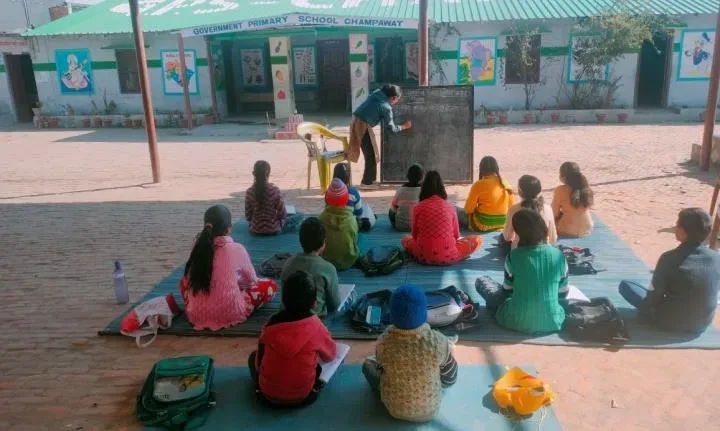
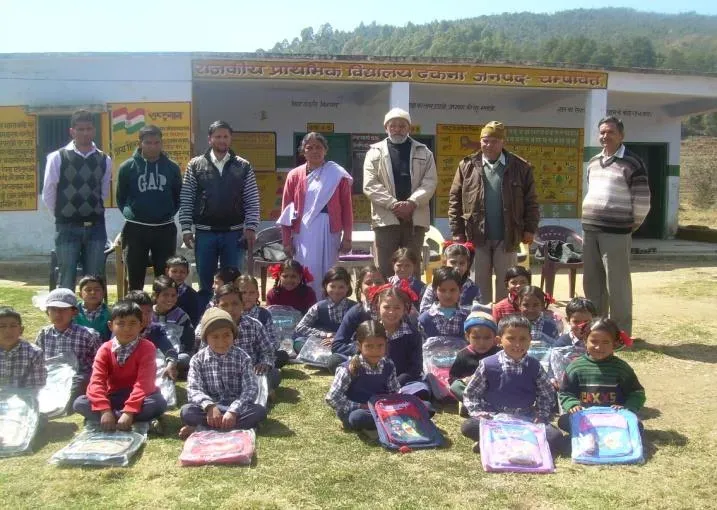
Where a local government school lacks infrastructure and teaching materials, HIMWATS adopts it — supplying infrastructure, study materials, equipment and tools for experiential learning, sports material and scholarships.
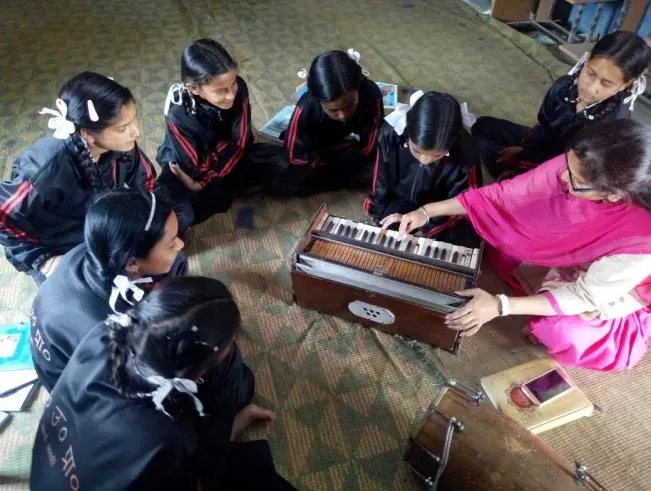
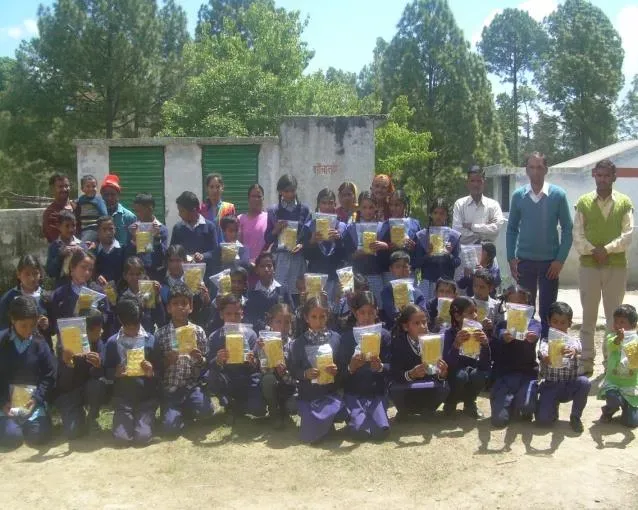
Since 2005 this has included free uniforms, textbooks, musical instruments, furniture and medical tablets, to improve attendance and reduce dropout.
The state began distributing these itself only from 2010. HIMWATS had been doing it for five years by then.
The Learning and Science Resource Centre, Kulethi
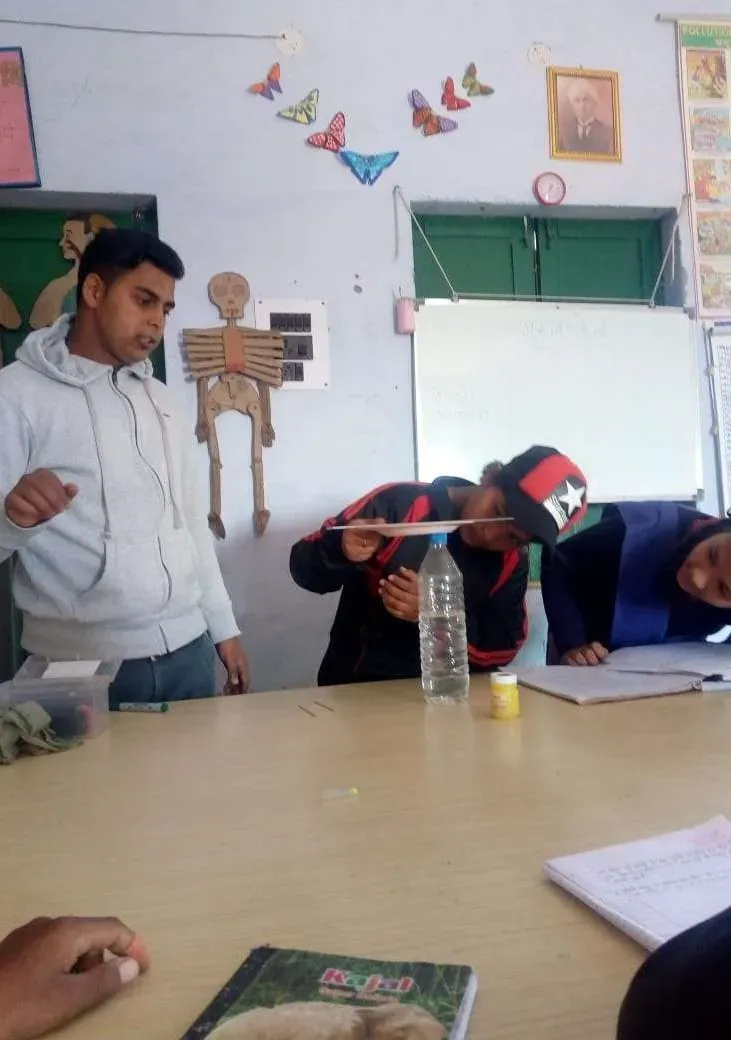
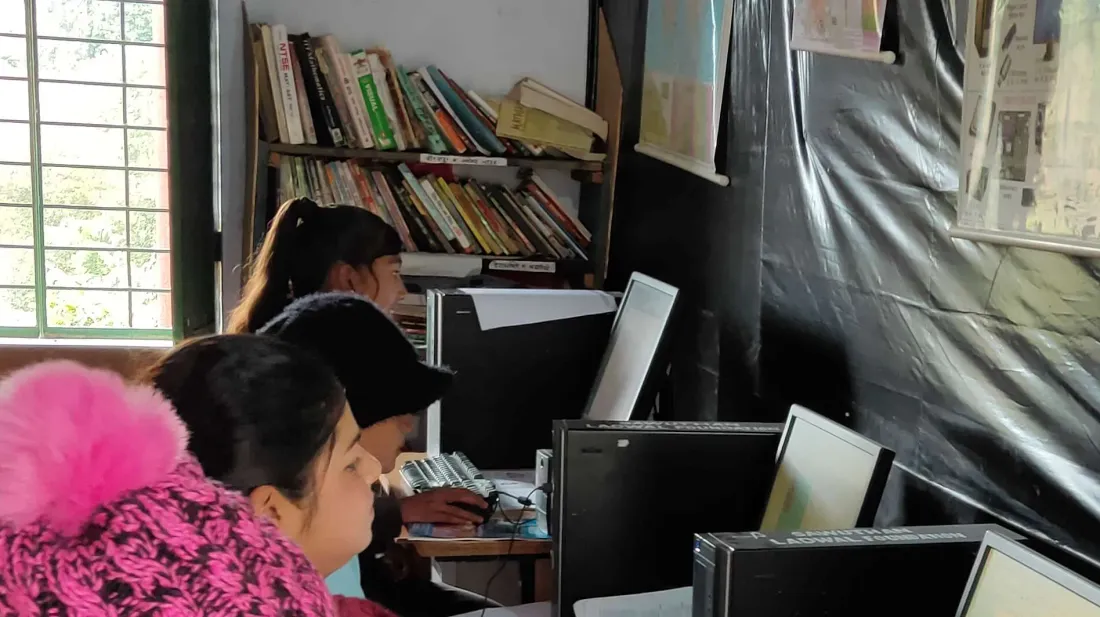
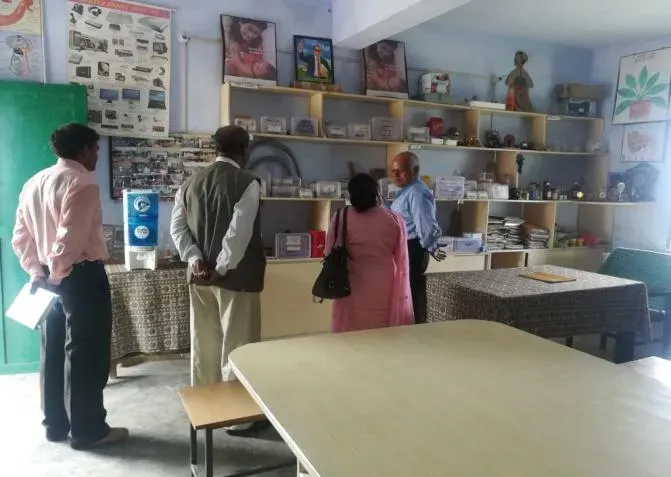
The LASRC was established with Dr H. C. Verma to promote learning by doing. It runs a science training programme for local children from grades 1 to 10, in association with the Department of Physics at IIT Kanpur, teaching scientific principles through simple, low-cost experiments. Over 150 experiments are set up there for hands-on use, alongside digital projectors, desktops and internet-based learning.
The Atal Tinkering Lab
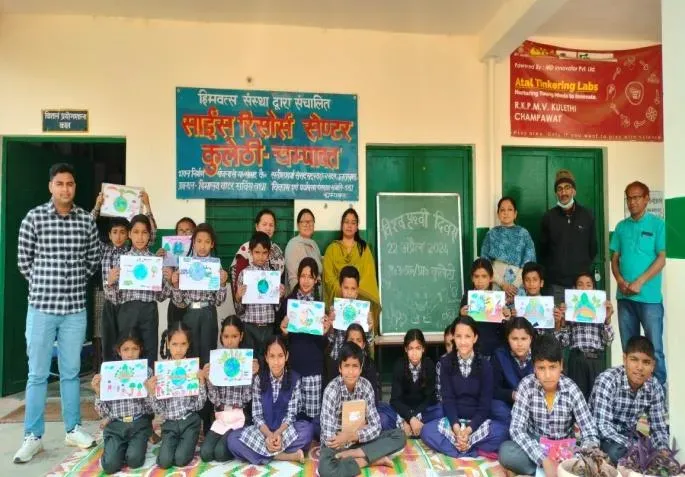
Established in 2020–21 through the efforts of the founder, Professor H. D. Bist. HIMWATS describes it as the only Atal Tinkering Lab in India sited at a junior school. It holds robotics kits, sensors, a 3-D printer, a telescope and a range of scientific instruments.
Teacher training
HIMWATS trains teachers in collaboration with the local DIET centre, running a three-day science workshop for government school teachers at the District Institute of Education and Training, Lohaghat.
Scholarships
A merit scholarship of ₹1,000 for grades 6 to 10 and ₹2,000 for grades 11 and 12, for students scoring above 80% in their academic year. Children at the adopted schools also receive extra lessons preparing them for the Navodaya Vidyalaya entrance examination and the NTSE scholarship.
Rotating libraries
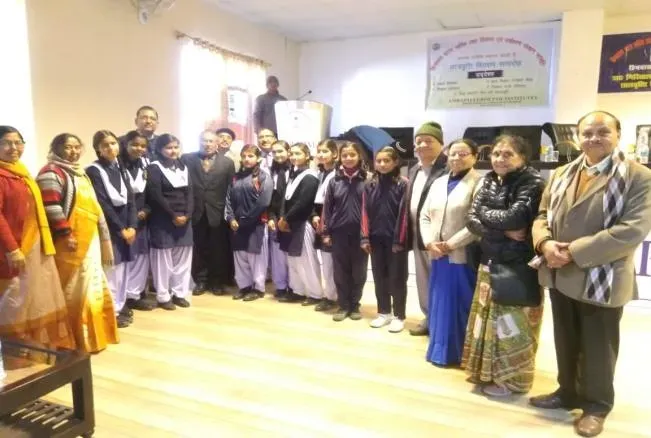
Libraries established in the adopted schools, holding over 3,000 books across a range of levels and genres, which community members can take home. Book fairs are organised with local volunteers.
The girls’ internship programme
Launched in January 2022 to build the skills of young women in the community and give them financial support toward further study.
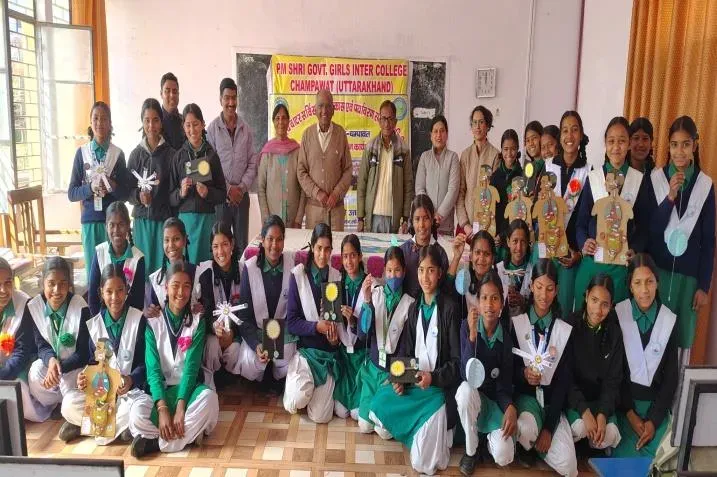
It selects ten students from the BSc programmes at Champawat Degree College and trains them to run science workshops for children. Once trained, they work in pairs across fifteen villages, running thirty workshops. Each receives ₹500 per workshop and a ₹3,000 scholarship.
Vocational training
Champawat faces an acute unemployment problem, worsened by disguised employment in farming. Rural young people are trained in employable skills — stitching, knitting, doll-making and computer basics.
Health camps
Free camps, usually held in government schools for students and parents, offering general, eye, ear and dental check-ups. Yoga camps are run for students’ physical wellbeing.
Environmental conservation
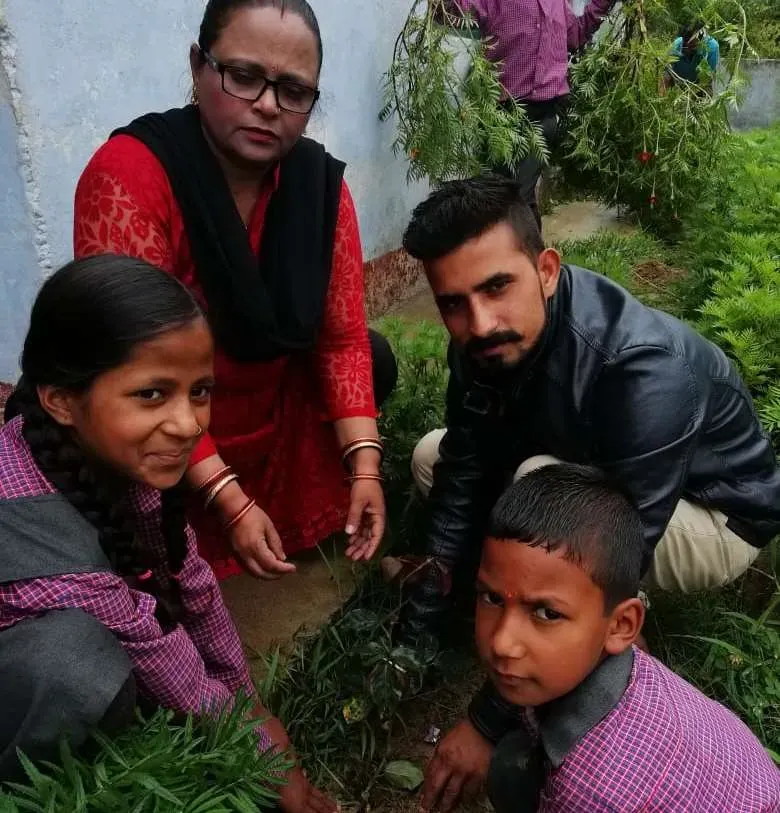
Uttarakhand is rich in forest and water, which is also what makes it vulnerable to deforestation and destruction. HIMWATS runs plantation drives each year, and awareness camps for the protection of village water reserves.
Siddha Jagaran Seva
Awareness programmes for guardians and villagers — seminars, workshops, science days and melas — run with experts from established universities and research institutes.
Experience-based science learning
For the past three years HIMWATS has organised experience-based children’s science workshops and fairs in government schools across Champawat district, with UCOST Dehradun.
What it has produced
- 66Navodaya entrance passes since 2005
- 16NTSE qualifications
- 150+Experiments at the science centre
- 3,000+Books in the rotating libraries
Since 2005, over 66 students from the adopted schools have cleared the Navodaya entrance examination, and 16 have qualified for the NTSE. Students have gone on to place in the government’s Sapno Ki Udaan competitions at block, district, state and national level — the film of that name is on the videos page.
The impact page records what has been given, year by year, since 2005.
How the society runs
HIMWATS is led by an executive committee, with Professor K. K. Pande as President and Shri (Dr) G. B. Bist as Secretary. The society was founded by the late Professor H. D. Bist, a retired professor and emeritus scientist of IIT Kanpur, who remained its emeritus secretary.
The society has no permanent employees. It runs on part-time educators and volunteers, including the members of its Knowledge Club, together with community members, local leaders and academic institutions. The team page lists the committee.
Its stated next step is tablet-assisted STEM education, extending the digital learning work into interactive teaching.
The source documents
Everything above is drawn from these two documents, which remain available in full.
About HIMWATS — organisation profile About HIMWATS — summary